Below is a curated list of music books recommended for any music student. These resources support effective and creative practice, musical understanding, and technical development across many instruments and experience levels.
General Music
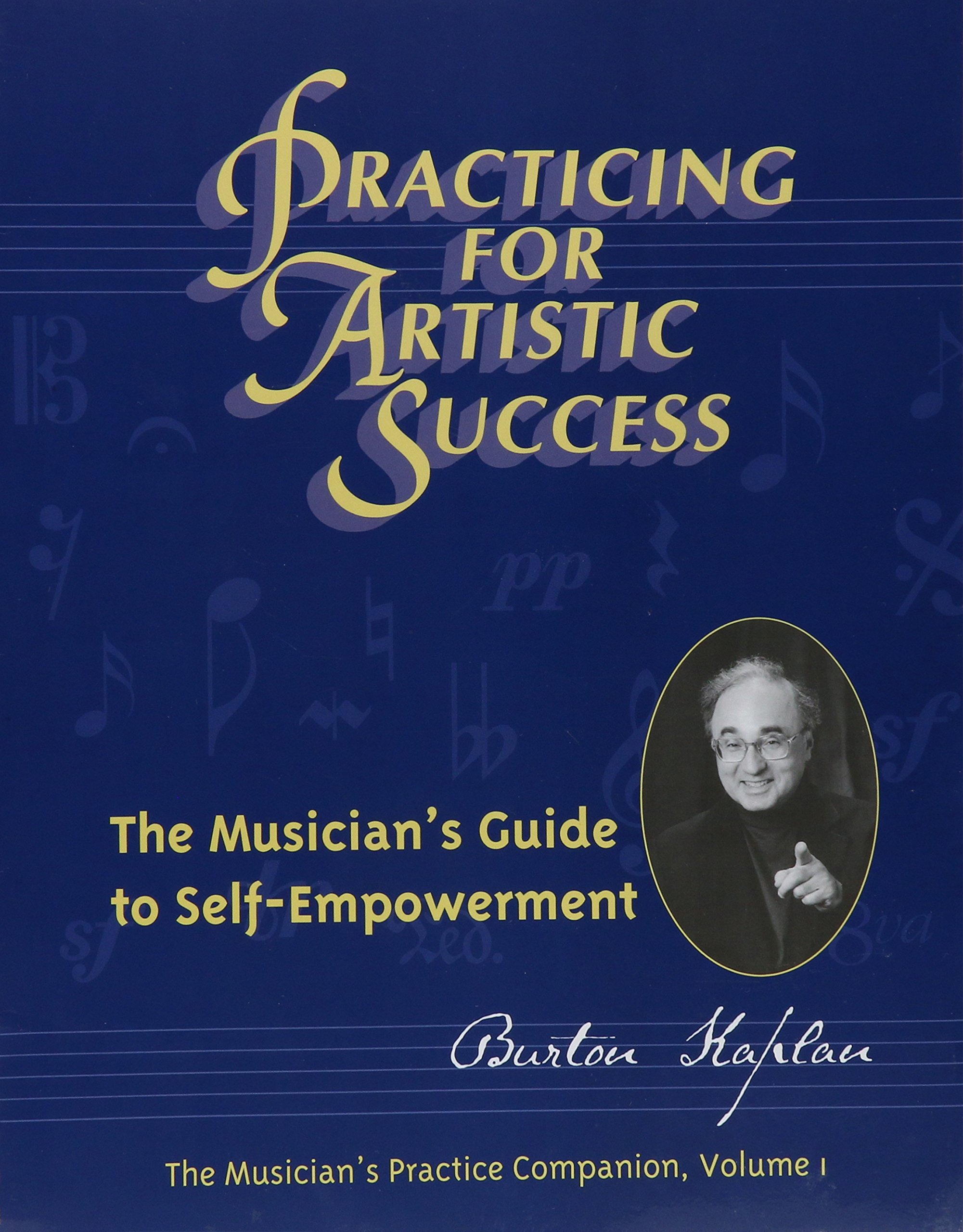
Practicing for Artistic Success is one of the best “meta methods” for music study. It contains great tips on how to structure your practice time, as well as principles to follow during practice.
Practicing for Artistic Success introduces a number of great, novel concepts, including “success at any cost”, a flexible strategy for simplifying practice sessions, as well as tips on memorization, consistency, and mental practice.
Note Grouping presents a focused yet profound approach to expression in music. Its central premise is the idea of tension and resolution, dictated by notes’ metric relationships to each other, out of which motion and emotions are created. This is among the greatest music fundamentals books.
The Inner Game of Music is a highly inventive guide that explores and illuminates practical techniques of awareness and self-inquiry. These concepts form the basis of a series of mental strategies and games, ingeniously applied to music learning and performance.
Passionate Practice is an easy-to-read guide to relaxing, focusing, and concentrating in practice and performance. Its methods are useful for instrumentalists of all kinds, though as the author is a pianist, it’s especially relevant for piano students.
Violin
Suzuki (Book 1) is a wonderful progression of musical pieces, from Twinkle, Twinkle, Little Star to beautiful, short works by Bach and Schumann. This collection has stood the test of time, and has played a formative role in the development of countless professional violinists.
I Can Read Music (Volume 1) is a systematic method for note reading, a supplement to repertoire books. It ensures that the student internalizes note reading through systematic exercises. This book can be an enormous aid to the music learning process for beginner students.
Written for beginner violinists, like the first Suzuki Book, but with a more gradual progression of shorter pieces, Essential Elements is a great and easily digestible introductory repertoire book. It includes multiple parts for ensemble playing, and is a great alternative to the first Suzuki Book.
The O’Connor Method is a collection of American folk-based compositions for the beginner, with some theory and improvisation also included. It’s another great alternative to the standard classical introductory book, as it emphasizes folk styles from the start.
Cello
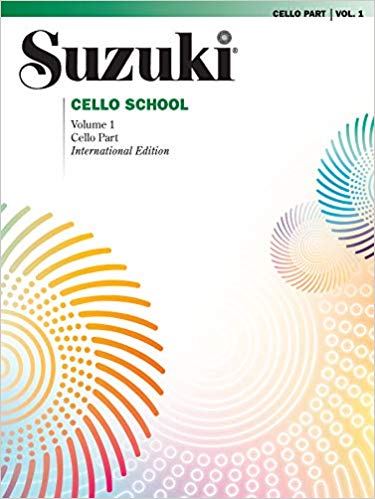
Suzuki (Book 1) is a wonderful progression of music, from Twinkle, Twinkle, Little Star to beautiful, short works by Bach and Schumann. The Suzuki Books have held a lasting place as classics for music learners.
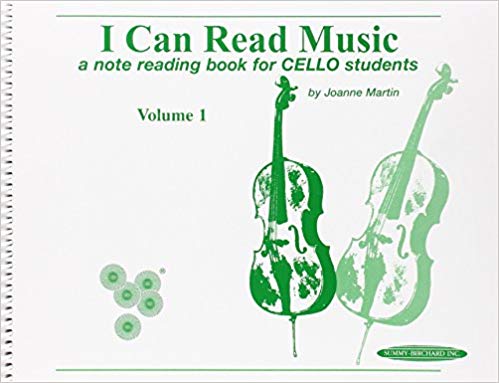
I Can Read Music (Volume 1) is a systematic method for note reading, a supplement to repertoire books. It guides the student toward note-reading fluency through systematic exercises. It can be a major help to students who wish to learn music faster and more easily.
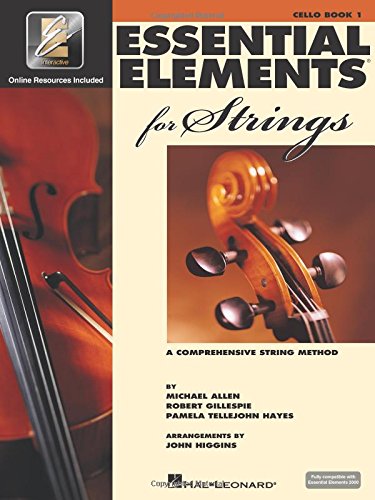
At a similar level to the first Suzuki Book, but with a more gradual progression of shorter pieces, Essential Elements is a great beginner book. It includes multiple parts, and is a great alternative to the first Suzuki Book.
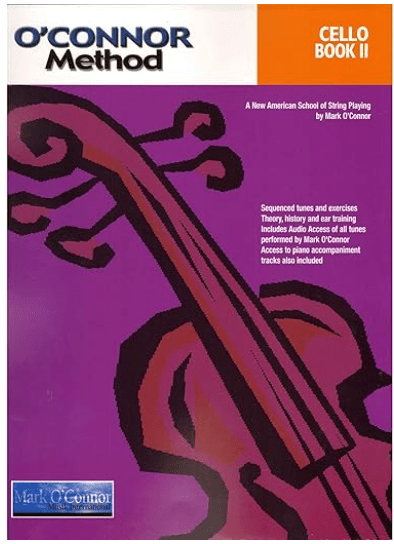
The O’Connor Method is a collection of American folk-based compositions for the beginner, with some theory and improvisation. It’s another great alternative to standard beginner books, as it emphasizes folk styles from the start. The second book in the series presents interesting and engaging challenges for the advanced beginner.
Piano
Though the Suzuki Method books were first designed for strings, the Suzuki (Book 1) for piano is a great beginner book, full of tuneful music. The Suzuki books have stood the test of time as wonderful collections for students.
Piano Adventures (Primer Level) is a wonderful, well-rounded, engaging book for beginner children. The series includes “performance”, “lesson”, and “theory” books. It is one of the best books for kids just starting out with lessons.
Schaum’s Note Spelling (Book 1) is a fun approach to learning note-reading, with a great variety of exercises.
Mikrokosmos, written by Béla Bartók, one of the greatest classical composers of all time, is a brilliant collection of short progressive pieces, expertly organized from the very beginning of piano studies to an advanced playing level.
It is a great introduction to 20th-century classical music and is particularly useful for students interested in composition, as the pieces explore various compositional concepts and techniques throughout.
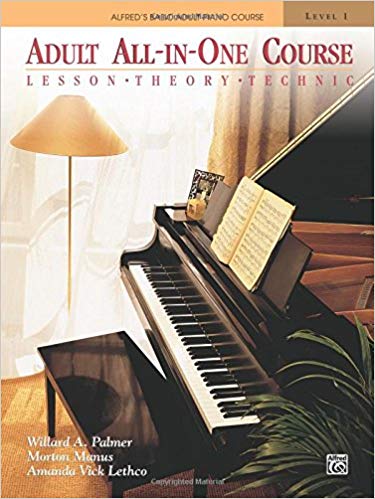
Alfred’s Adult All-In-One Course is a wonderfully thorough collection of lessons and pieces. It contains a variety of styles of music, as well as useful theoretical information. By working through this book, a student can progress to a high level very quickly. It’s best suited for adults and older kids.
 Dinnerstein Music Studio